Introduction
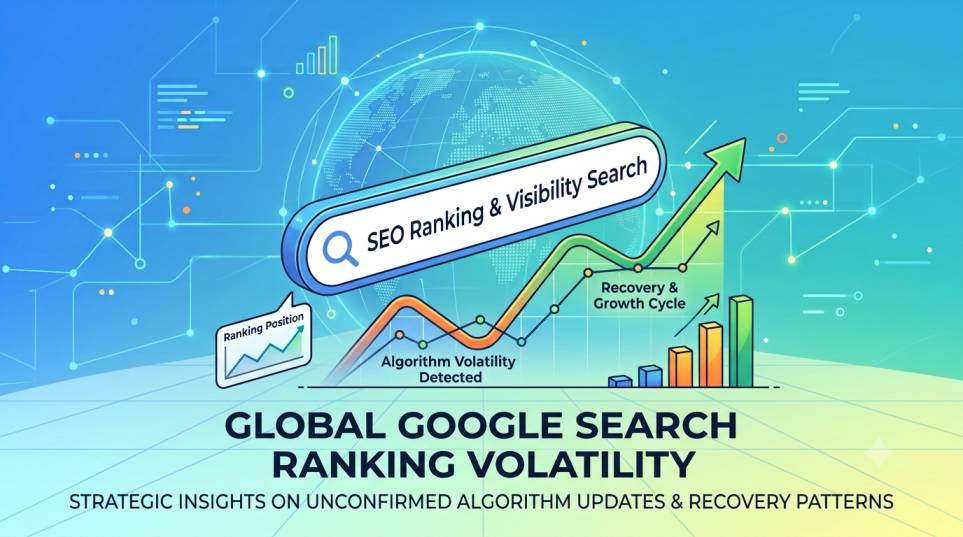
Google Search may have quietly rolled out another unconfirmed ranking update around July 11, 2026, and while chatter in the SEO community has been quieter than usual lately, the ranking volatility this time carries an interesting twist. Some sites hit hard by an earlier January 2026 update are now showing signs of recovery. For anyone tracking Google algorithm updates as part of their SEO strategy, this pattern is worth watching closely.
Why a Quiet Update Still Matters
Not every Google update comes with loud forum chatter or a confirmed announcement. Sometimes the clearest signal is a spike in third-party ranking volatility tools paired with a handful of specific, credible observations from experienced SEOs. That combination is exactly what happened around July 11, 2026. Ignoring quieter updates like this one can mean missing early signs of a genuine shift, especially when it appears connected to a much larger update from earlier in the year.
What Happened Around July 11
Third-party Google ranking volatility tools showed a noticeable blip around July 11, 2026, alongside a smaller but real increase in SEO community chatter. What made this update stand out was not the volatility spike itself, but a specific observation from respected SEO analyst Glenn Gabe, who noted that sites hit hard by the January 2026 unconfirmed update, particularly those built around commodity content and self-serving listicles, were finally beginning to show recovery. Other well known voices in the SEO community, including Lily Ray, agreed this pattern looked like one of the clearest ranking signals seen so far in 2026.
Key Observations From the July 11 Volatility
Connection to the January 2026 Update: Sites that were significantly impacted by the earlier January update, especially those relying on scaled, low-value content, are now showing signs of recovery months later.
Mixed Community Chatter: Reports from forums like WebmasterWorld described a mix of experiences, with some site owners seeing traffic stabilize or improve and others reporting continued volatility.
Third-Party Tool Confirmation: Multiple SERP volatility tracking tools picked up a spike around July 11 and 12, even though Google has not confirmed any update.
Quiet SEO Community Overall: This update followed an unusually quiet stretch after the June 2026 spam update completed, making the July 11 spike stand out more than it might have otherwise.
Recovery Patterns Vary by Site: Not every previously affected site is recovering at the same rate, suggesting the shift may be selectively rewarding sites that improved content quality since January.
Benefits of Tracking These Recovery Signals
Watching how sites recover from past updates, rather than only tracking new volatility, gives businesses a clearer picture of what Google is rewarding over time. If sites that moved away from commodity content and self-serving listicles are now recovering, that reinforces the value of investing in genuinely useful, well-researched content rather than chasing shortcuts. For businesses that were affected by the January update and have since improved their content strategy, this is a meaningful signal that those changes may finally be paying off.
January 2026 Update Impact vs. July 2026 Recovery Signals
|
Aspect |
January 2026 Update |
July 2026 Recovery Signals |
|
Primary Impact |
Hit commodity content, self-serving listicles hard |
Some previously hit sites showing recovery |
|
Confirmation |
Unconfirmed, but widely observed |
Unconfirmed, tied to third-party tool spikes |
|
Community Sentiment |
Described as one of the clearest patterns of the year |
Cautious optimism from affected site owners |
|
Recovery Timeline |
Most sites had not recovered by mid-2026 |
Selected sites recovering several months later |
|
Best Response |
Reassess content quality and strategy |
Continue improving content, monitor further |
Who Should Be Watching This Update
This is especially relevant for publishers and businesses that were hit by the January 2026 update, particularly those that relied heavily on scaled or templated content. It also matters for any SEO professional or content team trying to understand what recovery from a major ranking hit actually looks like in practice, since real examples like these offer more insight than theory alone. Even sites that were not directly affected should pay attention, since these patterns often hint at what Google continues to value in search rankings.
How BMax Digital Helps
At BMax Digital, we track both new Google algorithm volatility and longer-term recovery patterns like this one, since understanding what helps sites bounce back is just as valuable as reacting to a fresh update. That includes auditing content that may resemble the commodity or listicle-style pages flagged in the January update, and helping clients rebuild toward the kind of original, well-researched content that appears to be recovering months later. We treat SEO as an ongoing process of adjustment, not a one-time fix.
Case Study: Rebuilding After a Content Quality Hit
A publishing client saw a significant traffic drop following the January 2026 update, largely tied to scaled, templated content across their site. Rather than waiting for algorithmic mercy, we worked with the client to consolidate thin pages, rewrite key content with genuine depth and original research, and remove low-value listicle-style pages entirely. Several months later, the client began seeing the kind of gradual recovery reflected in the broader July 2026 volatility patterns, reinforcing that the content rebuild was the right call.
Conclusion
The ranking volatility observed around July 11, 2026, may not be a confirmed Google update, but the recovery pattern tied to it offers a genuinely useful signal for SEO strategy. Sites that moved away from commodity content and self-serving listicles since the January 2026 update appear to be regaining ground, reinforcing the long-term value of quality over shortcuts. If you want a team helping you track these patterns and build content that holds up over time, get in touch with Bmax Digital to get started.
Frequently Asked Questions
1. Has Google confirmed the July 11, 2026 update?
No. As with many ranking shifts, this update remains unconfirmed, though multiple third-party volatility tracking tools picked up a spike around that date.
2. What is the connection to the January 2026 update?
Some sites hit hard by the January 2026 update, particularly those with commodity content and self-serving listicles, are now showing signs of recovery months later.
3. Are all previously affected sites recovering?
No. Recovery appears to vary by site, suggesting the shift may be selectively rewarding sites that improved their content strategy since January.
4. What should businesses do if they were affected by the January update?
Focus on replacing thin or templated content with original, well-researched material, since that pattern appears connected to the recovery signals seen in July.
5. How can I tell if my site is part of this recovery trend?
Compare your organic traffic and rankings around July 11 and 12, 2026, against your historical data since the January 2026 update, and cross-check with third-party SERP volatility tools.











Leave a Comment