
Introduction
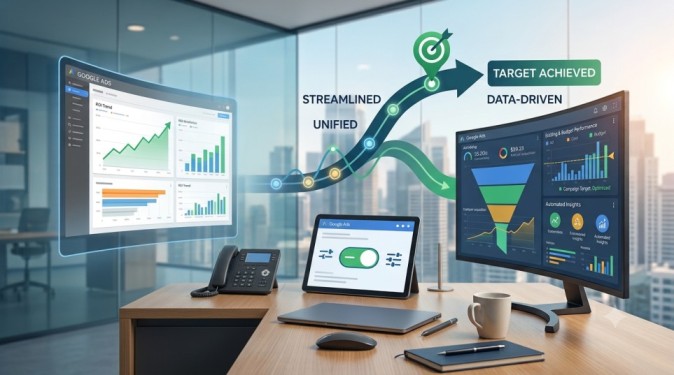
Google Ads has been taking over more of the work advertisers once did by hand. Google now has a large say in which searches an ad can match, where it appears, how budget is split, and which creative combinations people see. You have less control over each individual auction, but you still decide what the system should optimize toward and what counts as success. For businesses that depend on PPC and Google Ads to generate leads, the quality of your measurement now matters as much as the quality of your campaign settings.
Why This Shift Matters for Advertisers
When automation makes thousands of decisions you can’t review one by one, the goals and data you feed it carry far more weight. A conversion that looks good inside Google Ads may be worth much less once you look at what happened to that lead or sale afterward. Spam leads, unqualified inquiries, low-margin orders, and returns can all hide behind a healthy-looking conversion rate. The platform can only learn from the signals it receives, so unclear goals lead to confidently pursuing the wrong results.
How to Guide Google’s Automation
Guiding automation comes down to deciding which outcomes count and making sure your tracking reflects them.
Key Measurement Practices for Automated Campaigns
- Choose the Right Primary Conversion: Primary conversions are the ones Smart Bidding learns from. For lead generation, ask whether a form submission is the right signal or whether a qualified lead, booked appointment, or closed sale better represents success.
- Keep Micro-Actions Secondary: Actions like page views, cart adds, button clicks, and checkout starts are useful for understanding where people drop off. Marking them secondary keeps them visible in reporting without teaching bidding to chase easy actions.
- Audit Custom Goals and Imports: Custom goals can pull secondary actions back into bidding for the campaigns that use them. Conversions imported from Google Analytics also default to secondary, so a key goal can end up not guiding bidding unless you promote it manually.
- Send Back Quality Data: Google recommends using qualified or converted leads as goals when you can pass that data back, and enhanced conversions for leads can connect offline outcomes to the ads that produced them.
- Judge Phone Calls by Quality: A call can be a simple question about opening hours or a booked job. Sample real calls before deciding how to classify them.
Benefits of Getting Measurement Right
Advertisers with clean conversion setups give automated bidding a clearer picture of what a good customer looks like, which can help campaigns stabilize faster after changes. Better measurement also makes reporting more honest, because you can show leadership how ad activity connects to leads, customers, and revenue instead of platform-only numbers. Fixing a messy setup can bring a temporary dip while the system relearns, so it’s best to clean up early rather than late.
Primary vs. Secondary Conversions at a Glance
|
Aspect |
Primary Conversions |
Secondary Conversions |
|
Role |
Optimization: used to guide bidding |
Observation: used for reporting |
|
Reporting Column |
“Conversions” |
“All conversions” |
|
Best Used For |
True business goals such as purchases, qualified leads, or booked consultations |
Funnel steps such as page views, cart adds, or checkout starts |
|
Effect on Smart Bidding |
Directly shapes what the algorithm learns |
Not used as a bidding goal, though custom goals can override this |
|
Common Pitfall |
Filling it with easy micro-actions |
Assuming imported or custom-goal actions behave as expected |
Preparing for the Local Services Ads Migration
Google is moving Local Services Ads into Google Ads as a Performance Max campaign type with pay-per-lead goals. Based on the reporting available, ads continue to run on Google Search and Maps, billing stays per lead, and verification and lead routing numbers carry over. The rollout is in waves: select US home and storefront service categories first, broader groups later in 2026, and non-US accounts and remaining categories in 2027. Check your own account notices for your move date.
Several things change, and they make measurement more important:
- Reporting History Doesn’t Transfer: Historical Local Services performance reports are reportedly deleted after your move date, so download them beforehand.
- Bidding Becomes Automated: Manual bidding goes away, and a single campaign-level target replaces per-category targets.
- Budgets Convert: Weekly budgets become daily budgets.
- Leads Move: Leads are managed in Google Ads under Lead Manager.
- Performance Can Be Noisy: Google says a migrated campaign can take up to two weeks to settle.
Build a Baseline Before Any Major Change
Before a migration or any big automation change, record both platform metrics and downstream results over a long enough period to smooth out normal fluctuations. A useful baseline includes:
- Conversion volume, conversion rate, and cost per conversion
- Qualified lead rate and cost per qualified lead
- Booking, appointment, or close rates
- Revenue, conversion value, and ROAS where relevant
- Differences by location or service category
Dedicated call tracking numbers also help. A tracking number on your lead routing line keeps paid leads separate from organic calls and repeat customers, and if you split campaigns by trade, each one benefits from its own number.
Reporting the Metrics Leadership Cares About
Finance leaders usually care about revenue impact, not click-level activity. Useful metrics for senior reporting include:
- CPA tied to a meaningful conversion: Be clear about what a “conversion” actually is.
- Customer acquisition cost: Total sales and marketing spend divided by customers gained in the same period.
- ROAS: Helpful where revenue is measured properly, with clear notes on how it’s calculated.
- Lifetime value: Shows which channels bring the most valuable customers, not just the most.
- Incremental growth: Evidence that spend produced revenue that wouldn’t have come anyway, using incrementality tests or media mix modeling.
Agree on shared business goals first, and prepare short explanations for dips so the numbers don’t raise unanswered questions.
Who Should Pay Attention to This Shift
This matters for any business running Google Ads for leads or sales, and especially for home service providers, clinics, law firms, and other local service businesses using Local Services Ads. It’s also relevant for agencies and in-house marketers who report to leadership, and for anyone whose conversion setup hasn’t been reviewed since the account was first built.
How BMax Digital Helps
At BMax Digital, we help businesses connect their advertising to real outcomes. That means reviewing conversion setups, separating primary goals from supporting signals, setting up call and lead tracking, and building baselines before major platform changes. We also build reporting that speaks to owners and finance teams, showing leads, customers, and revenue instead of platform metrics alone.
Conclusion
As Google Ads automates more decisions, the advertisers who benefit most are the ones who define success clearly and measure it beyond the platform. Choose primary conversions carefully, keep supporting actions secondary, and send back quality data where you can. If you run Local Services Ads, save your reporting history and build a baseline before your move. If you’d like help tightening your tracking and proving the value of your ad spend, get in touch with BMax Digital.
Frequently Asked Questions
- Why does measurement matter more as Google Ads becomes more automated?
Automated systems optimize toward the goals and data you provide. If those signals don’t reflect real business outcomes, the system will optimize toward the wrong results. - What is the difference between primary and secondary conversions?
Primary conversions guide bidding and appear in the “Conversions” column. Secondary conversions appear in “All conversions” and are used for observation, not as bidding goals. - What should I do before Local Services Ads move into Google Ads?
Download your historical performance reports, record baseline metrics, confirm your lead routing number, and watch lead quality as well as volume once the move happens. - Which metrics should I show a CFO or business owner?
Focus on CPA tied to a meaningful conversion, customer acquisition cost, ROAS, lifetime value, and incremental growth, alongside the shared business goals. - What’s the most important first step right now?
Review which actions are set as primary conversions and confirm they represent outcomes that matter to the business, such as qualified leads or sales.













Leave a Comment